
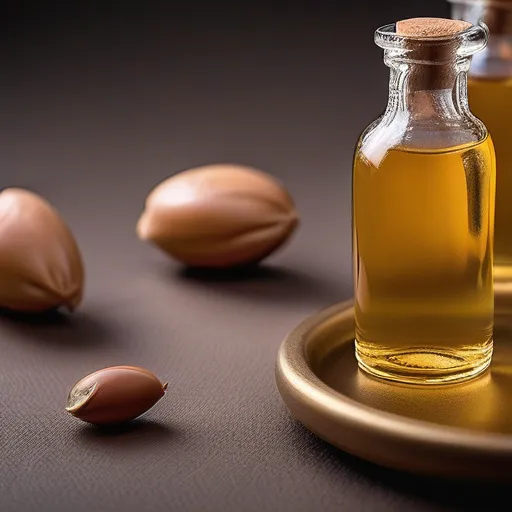
Cold-Pressed Argan Oil: Why This Choice Is Essential for Your Well-Being
On every argan bottle, « cold pressed » appears systematically. But beyond marketing, what does this process really mean? Cold pressing determines preservation of argan kernel nutrients, antioxidants, and essential fatty acids. Without it, the oil loses much of its therapeutic properties.
Quick answer: Cold pressing extracts oil from argan kernels without exceeding 40 °C, avoiding degradation of vitamin E, omega-6, and polyphenols. The result: virgin, pure oil with intact properties.
Key takeaways
- Thermal threshold: temperature below 40 °C throughout extraction.
- Mechanical extraction: no chemical solvent, no unwanted residue.
- Preserved actives: vitamin E, unsaturated fatty acids, plant sterols.
- Two streams: cosmetic (unroasted kernels) and culinary (roasted kernels).
How Cold Pressing Works
Argan kernels, shelled and ground into paste, undergo progressive pressure in a hydraulic or mechanical press. Heat from friction stays limited; it does not exceed 40 °C, the threshold beyond which sensitive compounds begin to degrade.
Traditionally, Berber women kneaded almond paste between their palms. Today, modern presses reproduce this gesture at scale while respecting the same thermal principle. This process is at the heart of the artisanal argan journey, from the argan grove to your table.
« Cold pressed » and « extra virgin »: the same thing?
In practice, yes for argan oil. « Extra virgin » or « virgin » indicates a first cold extraction, without refining or blending. Check that the label specifies « cold pressed » or « first cold pressed » to confirm the method.
Which Components Does Cold Protect?
| Component | Role | Effect of excessive heat |
|---|---|---|
| Vitamin E (tocopherols) | Major antioxidant, cellular protection | Rapid degradation above 60 °C |
| Oleic acid (omega-9) | Hydration, skin suppleness | Oxidation, loss of fluidity |
| Linoleic acid (omega-6) | Skin barrier, sebum regulation | Transformation into irritant compounds |
| Polyphenols | Anti-aging, anti-inflammatory | Near-total destruction at high temperature |
| Plant sterols | Skin elasticity, repair | Alteration of molecular structure |
These benefits fuel traditional and modern argan uses, detailed in our article on universal argan benefits.
Extraction Method Comparison
| Method | Principle | Impact on quality |
|---|---|---|
| Cold pressing | Mechanical extraction < 40 °C | Virgin oil, intact nutrients, delicate aroma |
| Hot extraction | Pressing with heat > 80 °C | Higher yield, but vitamins destroyed |
| Solvent extraction | Hexane or similar, then refining | Possible chemical residues, denatured oil |
| Refining | Deodorization, bleaching | Odorless oil, poor in antioxidants |
Cheap oils found on some marketplaces or in supermarkets often come from hot extraction or refined blends. To identify an authentic product, see our guide on pure argan oil secrets.
Five Clues to Verify Cold-Pressed Oil
- The label: mentions « 100 % pure », « virgin », « extra virgin », « cold pressed », or « first cold pressed ».
- Scent: light hazelnut note (cosmetic) or roasted hazelnut (culinary). Rancid or absent scent = warning.
- Texture: fluid, silky, absorbs quickly without persistent greasy film.
- Color: light golden yellow (cosmetic) to amber (culinary).
- Price: authentic cold-pressed product does not go below €20 per 100 ml.
Integrating Cold-Pressed Oil into Daily Life
In cosmetics, a few drops on the face, hair ends, or beard suffice — a favorite in men’s care. In cooking, it accompanies salads, pancakes, and vegetable dishes. Amlou, prepared with this same oil, is an ideal post-workout snack — see our article on amlou for sport.
Is cold-pressed argan oil suitable for sensitive skin?
Yes. Thanks to its balanced fatty acid composition and absence of irritant compounds from chemical refining, cold-pressed argan oil suits dry, combination, oily, and sensitive skin. It soothes redness and strengthens the skin barrier without clogging pores.
Frequently asked questions
- Does cold-pressed oil have an expiry date? Yes, generally 12 to 24 months after opening. Store away from light and heat.
- Can you cook with cold-pressed argan oil? Yes for culinary use, as finishing or at low temperature. Avoid high-temperature frying that would degrade antioxidants.
- What is the difference with refined oil? Refined oil is deodorized and decolorized: it loses most antioxidants and natural fragrance.
- Does cold pressing guarantee organic label? No, these are two distinct criteria. Ideally, combine both.
Choosing cold-pressed argan oil means maximum effectiveness and respect for Moroccan know-how — an investment in your skin, hair, and nutritional well-being.
Discover our authentic Moroccan products
Browse our range of traditional oils cold-pressed: pure argan, traceable and from southern Moroccan cooperatives.