
The Secrets of Pure and Authentic Argan Oil
Global demand for argan has exploded — and with it, questionable bottles. Rock-bottom prices, vague labels, invisible dilutions: consumers face an opaque market. This guide gives you the keys to spot pure and authentic argan oil and avoid the most common counterfeits.
Quick answer: Authentic argan oil comes exclusively from Morocco, is cold-pressed from Argania spinosa kernels, contains no other ingredient, and is packaged in dark glass. Be wary of abnormally low prices and vague label claims.
Key takeaways
- Single ingredient: Argania Spinosa Kernel Oil — nothing else.
- Moroccan origin: PDO or clear geographic mention, identified cooperative.
- Cold pressing: « virgin », « extra virgin », or « first cold pressed » on the label.
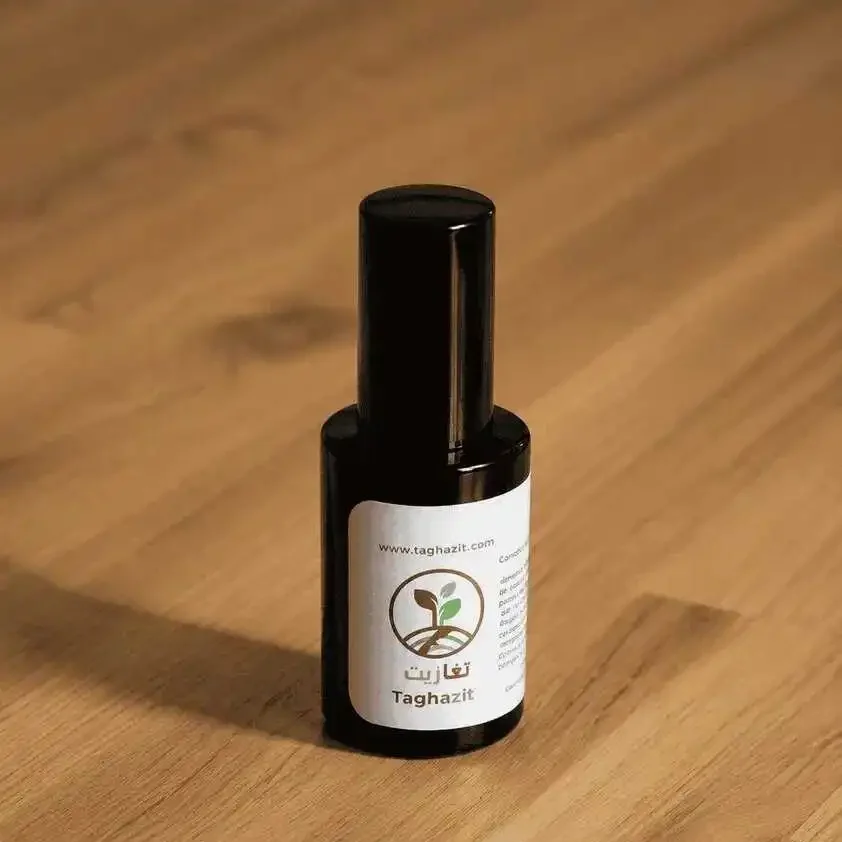
- Packaging: amber or dark glass bottle, dropper preferred.
Color, Scent, Texture: Organoleptic Tests
Before comparing prices, your senses decide. A premium oil stands out immediately — without laboratory equipment.
| Criterion | Pure cosmetic oil | Pure culinary oil |
|---|---|---|
| Color | Light golden yellow | Amber to honey yellow |
| Scent | Light hazelnut note, fades quickly | More pronounced roasted hazelnut |
| Texture | Silky, absorbs without greasy film | Smooth, hazelnut taste in the mouth |
| Kernels | Not roasted before pressing | Lightly roasted |
Why does cold pressing guarantee purity?
Cold pressing keeps extraction temperature below 40 °C, preserving vitamin E, unsaturated fatty acids (omega-6, omega-9), and antioxidant polyphenols. High-temperature or solvent extraction alters these compounds and may leave unwanted residues.
Comparing Purchase Channels
Each retail channel has advantages and risks worth evaluating before you buy.
Online marketplaces
Wide choice, fast delivery — but uncertain traceability with third-party sellers. Very low prices often hide oils diluted with sunflower or palm. Read recent reviews, verify Moroccan origin, and insist on « 100 % pure ».
Supermarkets
Convenient and accessible, but limited range: sometimes refined oils, rare cooperative traceability, artisanal quality hard to guarantee despite attractive prices.
Specialist shops
The safest option. Taghazit works directly with Moroccan cooperatives, details the extraction process, and offers certified organic oils. The price reflects almond rarity and manual labor — you invest in a product whose benefits for skin, hair, and health are preserved.
| Purchase channel | Advantages | Points of caution |
|---|---|---|
| Online marketplace | Wide choice, fast delivery | Third-party sellers, possible counterfeits |
| Supermarket | Low price, immediate availability | Limited traceability, rare artisanal quality |
| Specialist shop | Transparency, advice, traceability | Higher price, but justified |
| Direct cooperative | Maximum social impact | Variable availability and logistics |
Five Warning Signs to Know
- Price too low: pure argan oil costs between €25 and €40 per 100 ml. Below €15, suspicion is legitimate.
- Multiple ingredients: any mention of « vegetable oil blend » or added fragrance signals dilution.
- Rancid or absent scent: odorless or chemical-smelling oil has likely been refined or altered.
- Clear plastic bottle: light degrades vitamin E and antioxidants.
- No certification: no organic logo, no PDO mention, no identifiable cooperative.
Checklist Before Buying
Read the label in full. Verify the only listed ingredient is argan oil (Argania Spinosa Kernel Oil). Look for « cold pressed », « virgin », and « origin Morocco ». Read reviews with discernment: favor feedback describing color, scent, and texture.
Cosmetic oil also suits hair care and beards — a use increasingly adopted by men, as explained in our article on men’s argan care. For cooking and post-workout snacks, choose the culinary version or organic artisanal amlou.
Can the same argan oil be used for cooking and cosmetics?
Technically, culinary oil can serve both purposes. Cosmetic oil, extracted from unroasted kernels, is more neutral and better suited to skin. Culinary oil, with a stronger hazelnut taste, is perfect for seasoning and amlou, but can still be used on hair if needed.
Frequently asked questions
- How do you recognize real argan oil? Golden color, light hazelnut scent, silky texture, dark glass bottle, single ingredient, verifiable Moroccan origin.
- What is the average price of quality oil? Expect €25 to €40 for 100 ml in cosmetics. 250 ml or 1 liter formats offer better value.
- Is organic certification essential? It guarantees no synthetic pesticides, but non-certified oil from a recognized cooperative can also be excellent.
- How do you store oil after opening? Away from light and heat, cap tightly closed. Shelf life: 12 to 24 months depending on conditions.
Choosing pure and authentic argan oil means investing in your well-being while supporting ancestral know-how. Transparency, origin, and extraction method remain essential.
Discover our authentic Moroccan products
Explore our selection of traditional oils: pure cold-pressed argan, traceable and from Moroccan cooperatives.